Middle Susquehanna Riverkeeper
  • Home
    • About Us
  • Donate
    • Membership
    • Partners
  • Blog
  • Podcasts
  • Report a concern
  • Songs 2026
  • Roundtables
  • Educational Programs
    • HERYN >
      • Blue HERYN
    • Vernal School
    • Floating Classroom
    • EELS Program
    • Riverwalks
    • Nature Book Club
    • Kayaking/Fishing Resources
    • Video Lessons
  • Special Projects
    • West Branch Adventure
    • Hellbenders >
      • Hellbender Songs
    • BirdNET
    • Encina
    • Montour Surface Sampling
    • Vernal Pools
  • Gift Shop
  • Get Involved
    • Watershed Opportunities
    • Survey
    • Sentinels
  • Archive
    • Songs
    • Photos 2020
    • Songs 2021
    • Songs 2022
    • Songs 2023
    • Songs 2024
    • Songs 2025
    • 2018 PA River of the Year
    • 10 Fun Facts
    • For Children
    • Class ideas
  • Contact Us
  • Microplastics
  • 10 Years
  • Montour
  • Data centers

Riverkeeper reflections

Fish kill investigations are a race against the clock and conditions

9/4/2020

4 Comments

 
Picture
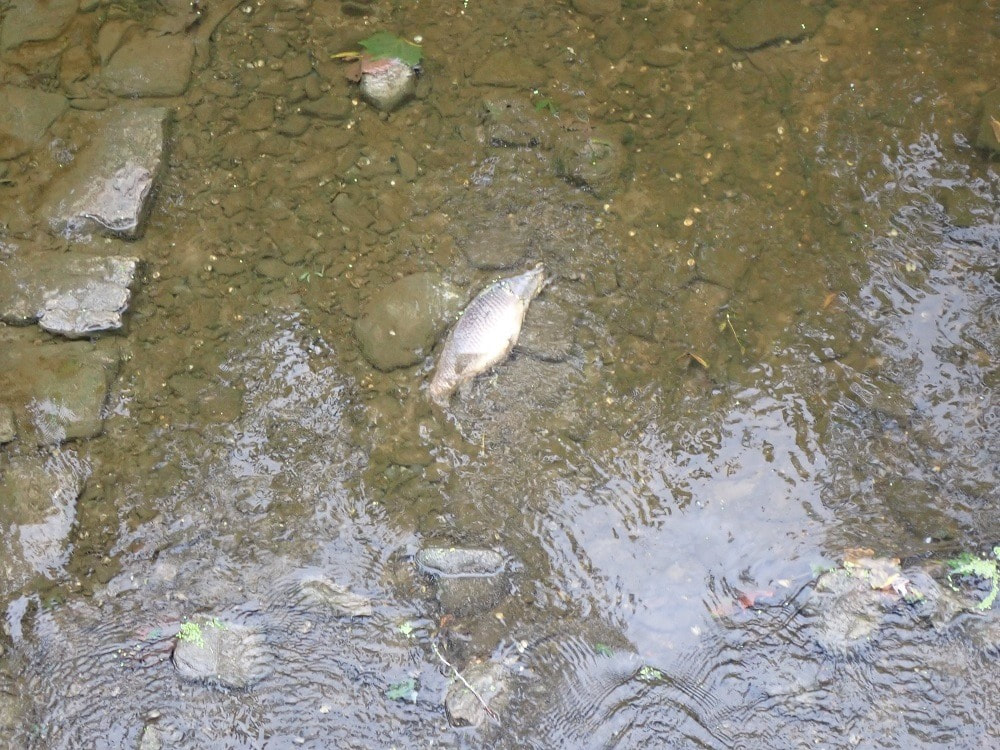
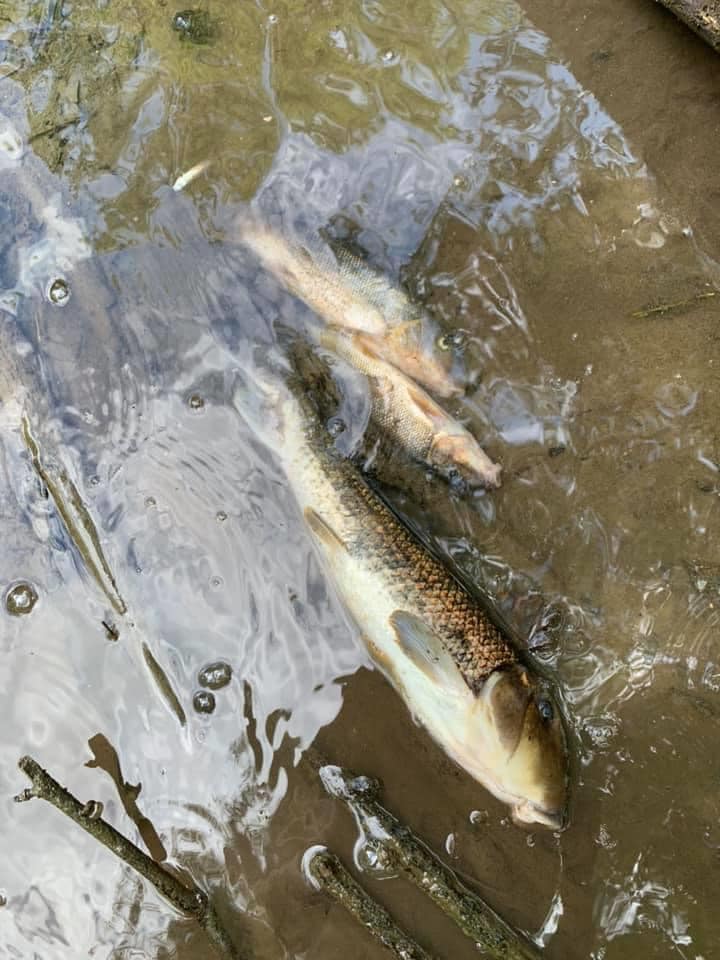
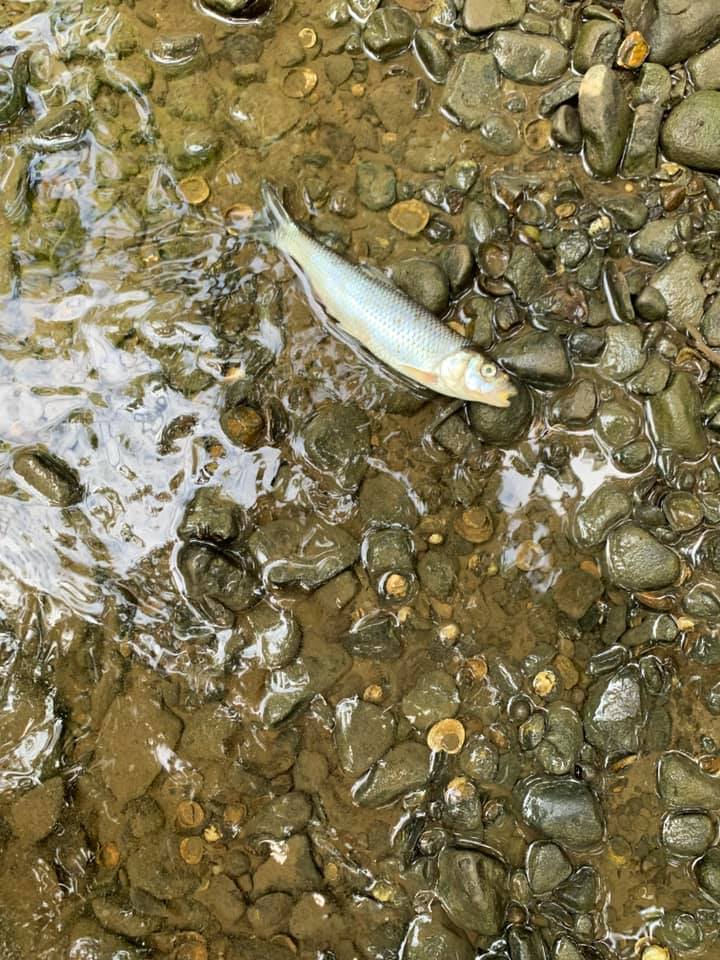
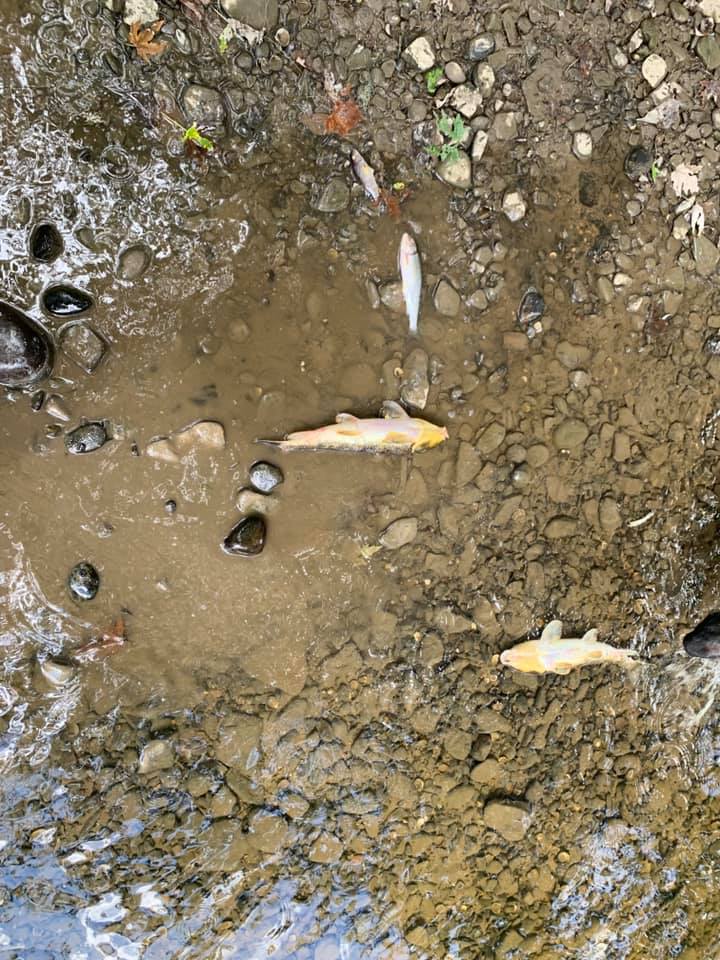
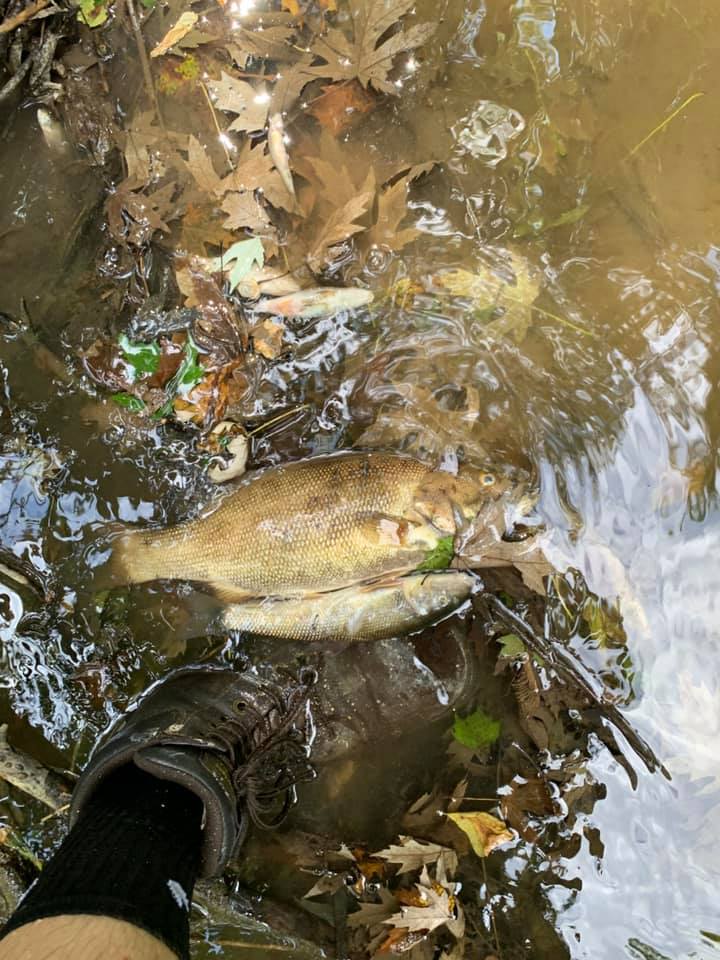
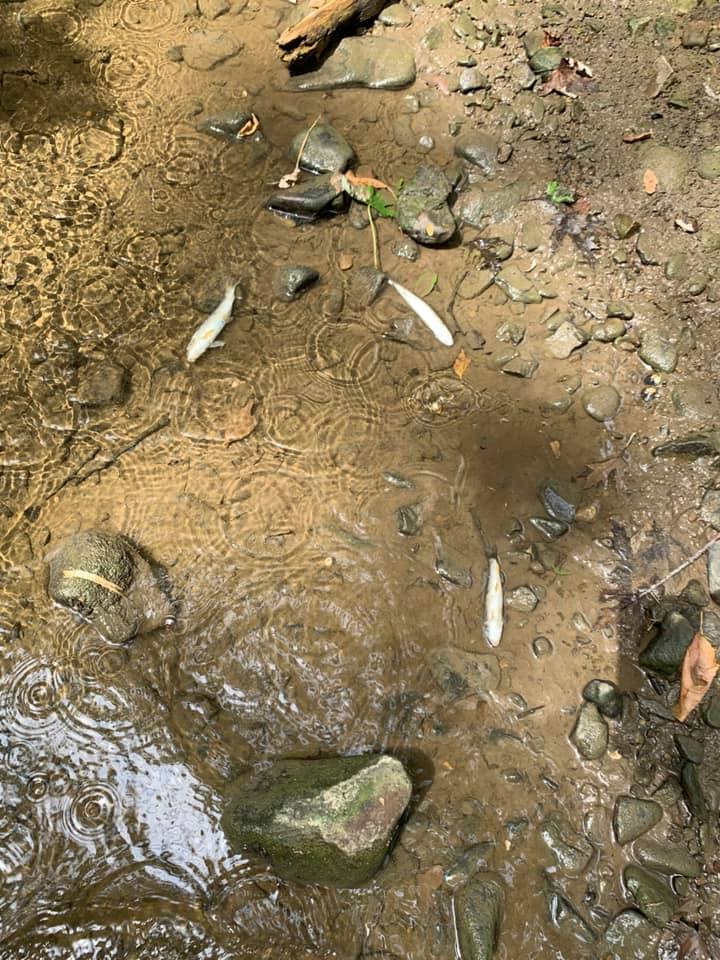
​​Looking closer at “20 dead carp and suckers” along the banks of the Frankstown Branch of the Juniata River on Friday, Aug. 28, John Coxey couldn’t get past the unexpected odor.

“It was like that grease used at amusement parks, only much more pungent,” he said.
While he only witnessed dead carp in person, other affected species have been mentioned on social media, he added.

“I did see some dead stocked rainbows in some of the pictures,” Coxey said. “There were some dead crayfish and freshwater mussels in the pictures, as well.”

The impacted section of the Frankstown Branch holds wild brown trout, he added, when water temperatures allow.

“I am hoping the trout already migrated into the tributaries before the event occurred,” he said.

Investigating a fish kill event such as this can be very difficult, admitted John Repetz, community relations coordinator for the Department of Environmental Protection.

“The biggest factor is time – the length of time between the actual event, when it is discovered, when it is reported and when it is investigated. Flow and mixing in stream can quickly disperse or dilute the pollutants that caused the fish kill,” he said. “Evidence can quickly be pushed downstream and fish decomposition occurs quickly.”

Heather Smiles, chief the Pennsylvania Fish and Boat Commission’s Division of Environmental Services, agreed.

“The evidence practically disappears right in front of us,” she said. “Not all dead fish float right away, and predators can get to them quickly. There was a snail kill in a lake earlier this summer that ended up being an aquatic herbicide situation that went bad. It was so hard to count that and figure out how bad it was because overnight, so many were eaten up by various critters.”

Fish kill events can also be caused by a wide variety of factors, which can add to the difficulty in determining  a cause, Pennsylvania Fish and Boat Commission Communications Director Mike Parker admitted.

“Pollution is one cause, where a foreign substance such as a petroleum product, municipal waste, salt or agricultural chemical enters a waterway in enough concentration that it directly impacts the fish, reptiles and/or amphibians,” he said. “Thermal changes, or changes in water temperature, can be both natural and manmade, such as when warm water is discharged from a power plant or other industrial facility.”

Fish kills can also be common following spawning activity, which is stressful for the fish, he added.

“It does not take much for a weakened fish post-spawn to succumb to changing environmental conditions or even a small pollution event that might not otherwise result in mortality,” Parker said.

“Also, the presence of aquatic grasses and other vegetation in a water body can contribute to fish kills, as those plants can cause oxygen depletion in the water. Fish are generally able to retreat to areas with better oxygen, but especially in lakes and ponds during a streak of hot weather, these conditions can occur very quickly and the fish perish.”

Fish kill reports can be very inconsistent, Parker added.

“Sometimes, they are never reported, while others -- even small natural events -- receive a lot of attention, depending on the waterway and the species of fish,” he said. “In other words, most people won’t pick up the phone when they see a few dead bluegills, but they will be very concerned when they see a wild trout turning up dead on the streambank.”

Upon first responding to a fish kill report, DEP investigators attempt to gain background information, ask basic questions and make initial observations.

“When? Where? Are the fish distressed or dead … or both? Is there an obvious source? Are there any noticeable colors, odors or cloudiness of the water?” Repetz said. “What is upstream from this location? What is the time of the year? What are the air and water temperatures?”

If just one species of fish is involved, Repetz added, it could be an indicator of something that is more likely a natural cause, where a wider variety of species can indicate that pollution is involved.

Water tests may be conducted immediately in the field looking at pH values, dissolved oxygen levels, total residual chlorine and temperature.

“If a specific contaminant or source is suspected, a laboratory sample may be taken,” Repetz said, adding that certain fish kills are caused by a one-time discharge of pollutants, especially in certain regions.

“These could include manure runoff, sewage from a line break, chlorine from a waterline break or repair work, spill or dumping of industrial chemicals and power plant discharges that cause rapid temperature changes in the water.”

Noting the affected species can also help pinpoint a cause, Smiles added.

“Carp are mostly bottom feeders, and they are pretty hardy, so typically it takes something heavier than water and pretty strong to impact them,” she said. “Trout, on the other hand, can be pretty sensitive to various changes, including those connected to aquatic herbicides and certain compounds, like copper.”

So what caused the fish kill situation recently within the greater Juniata River?

“The fish in the Frankstown Branch had been dead for quite a while and were decomposing, making it more difficult to determine a cause,” Repetz said. “The DEP is continuing to investigate.”

Meanwhile, Coxey has his own own theory, suggesting it is related to a nearby paper mill that is allegedly connected to hot tannic-laden effluent -- causing brown and purple river water with the foul smell he experienced on Aug. 28 -- along with possibly some ammonia used for chemical spill cleanup winding up in the waterway.

Parker admitted that if the fish kill was caused by a pollution event, the DEP and Fish and Boat Commission will identify and track down those involved.

“When there is a confirmed pollution event, the DEP coordinates the cleanup and deals with the violator related to water quality,” he said, adding that the Fish and Boat Commission assists with certain parts of the process. “We can file charges against the violator, though most cases end in a settlement in which any monies collected go toward restoring the resource in the affected waterway.”

If you come across a potential fish kill situation, it can be reported via the DEP website (www.dep.pa.gov) by clicking “Report an Incident” and follow up by contacting the appropriate regional office (broken down into six region: North-central, northeast, southeast, south-central, southwest and northwest.)

Fish kill situations can also be reported to the Fish and Boat Commission by calling 855-FISH-KIL (855-347-4545).

Photos from
​the Frankstown 

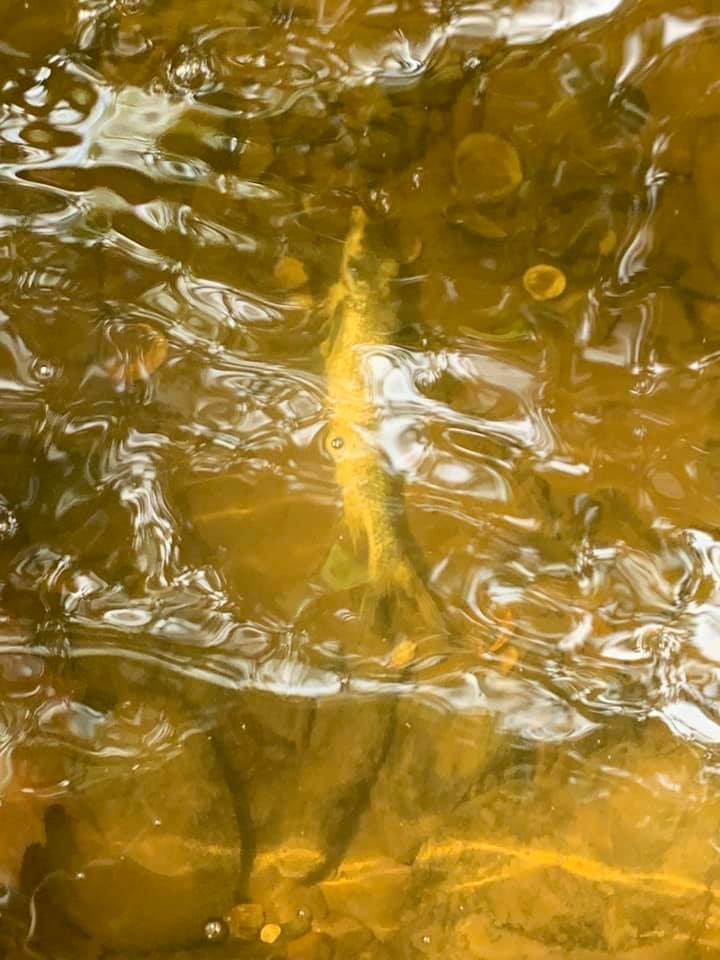
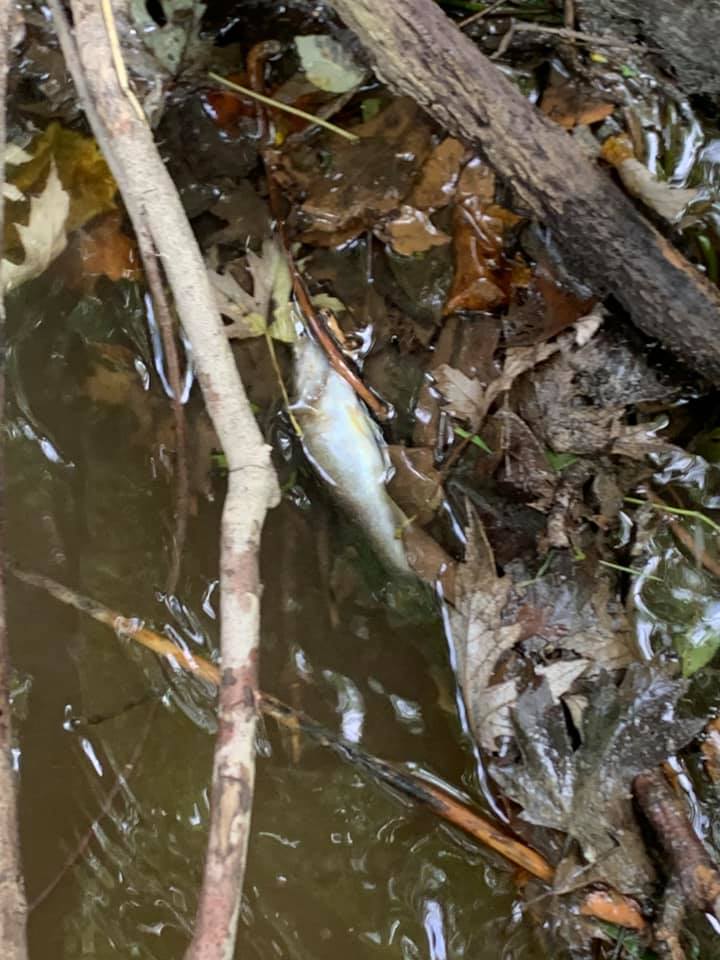
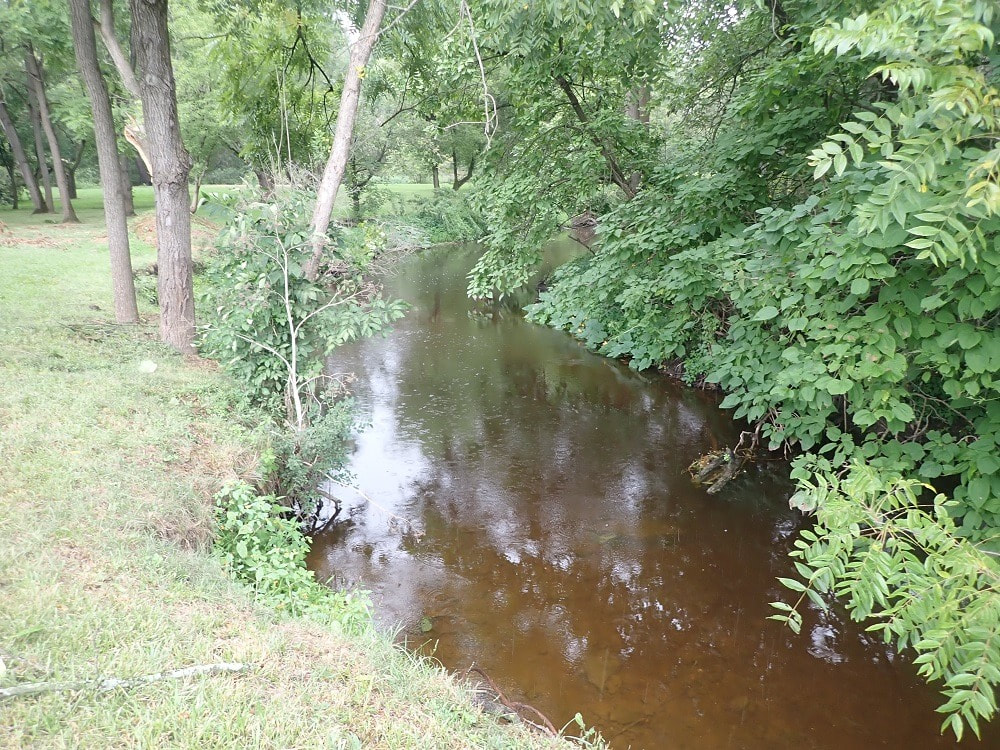
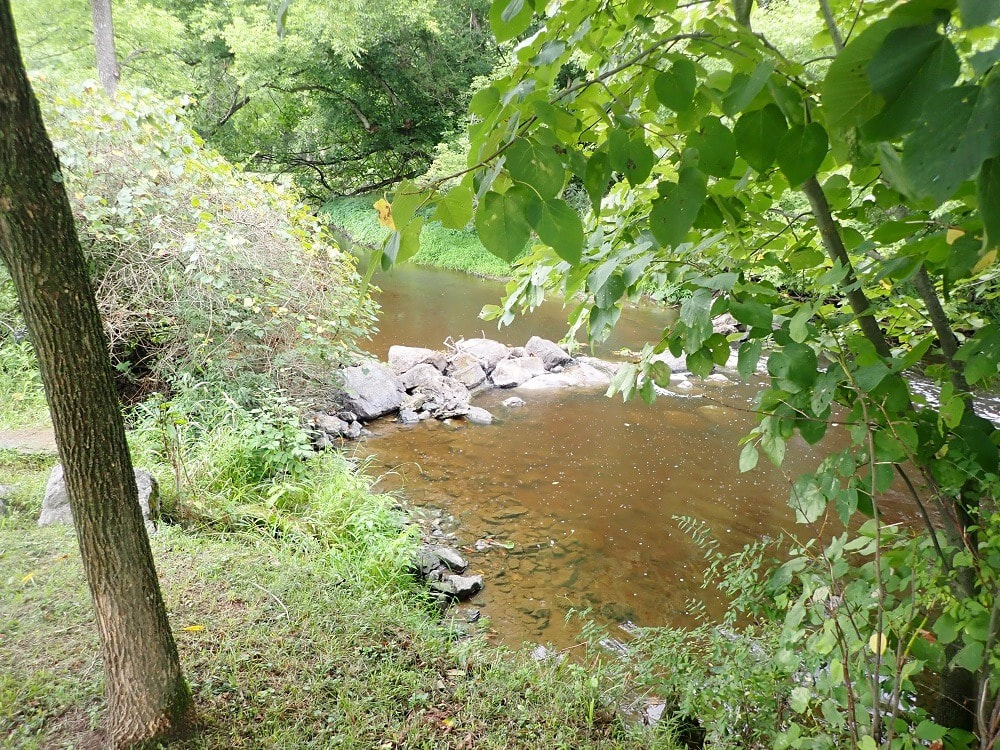
The following are some images from the Frankstown Branch of the Juniata River as shared on social media by John Coxey and Maranda Orr.
Picture
Picture
Picture
Picture
Picture
Picture
Picture
Picture
Picture
Picture
Picture
4 Comments
Jeffrey Riddle
9/11/2020 12:27:38 pm

If spawning activity weakens fish, then why are they allowing to fish for bass during the spawn?????? The water temps are rising and the fishing pressure is getting way out of hand, now that they have "opened" it up!!! AS A 50 YR BASS FISHERMAN....PLEASE SHUT IT DOWN DURING THE SPAWN!!!!!

Reply
Surveillance Investigations link
10/2/2023 07:02:42 am

Thanks for your post.
Optim Investigators is a premier private investigation agency providing professional & confidential Private Investigation, Private Detective & Private Eye services to high profile clientele, small businesses, & families throughout the State of Florida.

Reply
Surveillance Investigations link
10/2/2023 07:05:19 am

Thanks for your post.
Optim Investigators is a premier private investigation agency providing professional & confidential Private Investigation, Private Detective & Private Eye services to high profile clientele, small businesses, & families throughout the State of Florida.

Reply
Infidelity Investigations link
6/9/2024 12:15:44 pm

Thanks for your post.
Optim Investigators is a premier private investigation agency providing professional & confidential Private Investigation, Private Detective & Private Eye services to high profile clientele, small businesses, & families throughout the State of Florida.

Reply


Leave a Reply.

    Authors

    Riverkeeper John Zaktansky is an award-winning journalist and avid promoter of the outdoors who loves camping, kayaking, fishing and hunting with the family. 

    Regional Director Andrew Bechdel joined the team in early 2024 with a wide variety of natural experiences and a desire to educate.

    Archives

    December 2025
    November 2025
    October 2025
    September 2025
    August 2025
    July 2025
    June 2025
    May 2025
    April 2025
    March 2025
    February 2025
    January 2025
    December 2024
    November 2024
    October 2024
    September 2024
    August 2024
    July 2024
    June 2024
    May 2024
    April 2024
    March 2024
    February 2024
    January 2024
    December 2023
    November 2023
    October 2023
    September 2023
    August 2023
    July 2023
    June 2023
    May 2023
    April 2023
    March 2023
    February 2023
    January 2023
    December 2022
    November 2022
    October 2022
    September 2022
    August 2022
    July 2022
    June 2022
    May 2022
    April 2022
    March 2022
    February 2022
    January 2022
    December 2021
    November 2021
    October 2021
    September 2021
    August 2021
    July 2021
    June 2021
    May 2021
    April 2021
    March 2021
    February 2021
    January 2021
    December 2020
    November 2020
    October 2020
    September 2020
    August 2020
    July 2020
    June 2020
    May 2020
    April 2020
    March 2020
    February 2020

    Topics

    All

    RSS Feed

Your Pollution Hotline Number:
​570-768-6300

SUPPORT OUR WORK
Take our survey

BY BECOMING A SUSQUEHANNA NEIGHBOR TODAY.
​FROM CLEAN WATER FLOW THRIVING COMMUNITIES.

Picture

​Middle Susquehanna Riverkeeper is a member of Waterkeeper Alliance. Riverkeeper is a registered trademark and service mark of Riverkeeper, Inc. and is licensed for use herein. Waterkeeper is a registered trademark and service mark of Waterkeeper Alliance, Inc. and is licensed for use herein.

  • Home
    • About Us
  • Donate
    • Membership
    • Partners
  • Blog
  • Podcasts
  • Report a concern
  • Songs 2026
  • Roundtables
  • Educational Programs
    • HERYN >
      • Blue HERYN
    • Vernal School
    • Floating Classroom
    • EELS Program
    • Riverwalks
    • Nature Book Club
    • Kayaking/Fishing Resources
    • Video Lessons
  • Special Projects
    • West Branch Adventure
    • Hellbenders >
      • Hellbender Songs
    • BirdNET
    • Encina
    • Montour Surface Sampling
    • Vernal Pools
  • Gift Shop
  • Get Involved
    • Watershed Opportunities
    • Survey
    • Sentinels
  • Archive
    • Songs
    • Photos 2020
    • Songs 2021
    • Songs 2022
    • Songs 2023
    • Songs 2024
    • Songs 2025
    • 2018 PA River of the Year
    • 10 Fun Facts
    • For Children
    • Class ideas
  • Contact Us
  • Microplastics
  • 10 Years
  • Montour
  • Data centers