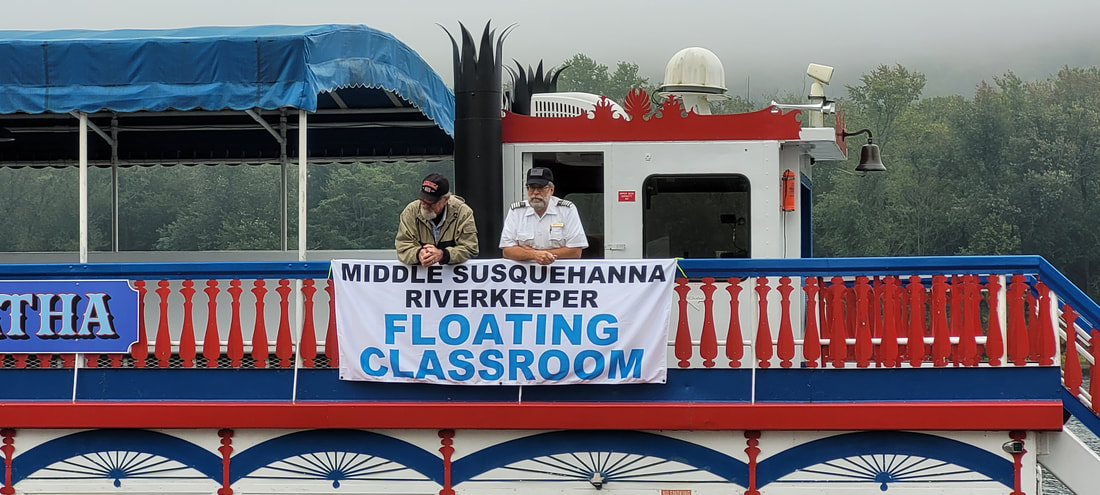
Our 2024 Floating Classroom program dates have been selected. They will be held on Tuesdays from 10-11 a.m. on June 11, July 9 and 16, Aug. 6 and 13, Sept. 10 and 24 and Oct. 8. Registrations for these sessions will be set up as presenters and themes are finalized.
|
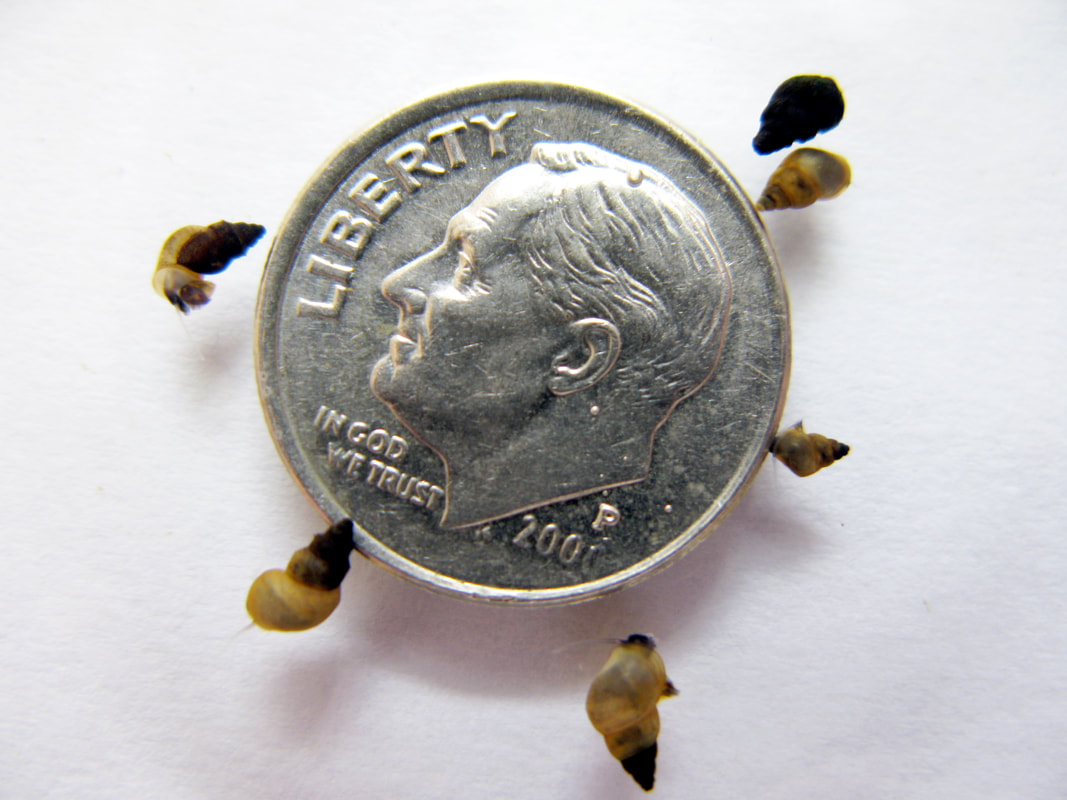
June 11: Snails on the SusquehannaPenn State University professor of biology Dr. Edward Levri and some of his students will offer a program looking at freshwater snails of the Susquehanna River Basin, focusing mainly on the invasive New Zealand mud snail. Two different snail-related programs will be offered at the same time (one on each level) and participants will rotate halfway through the cruise to get to see both sessions. Check out info and photos from this cruise here.
|
|
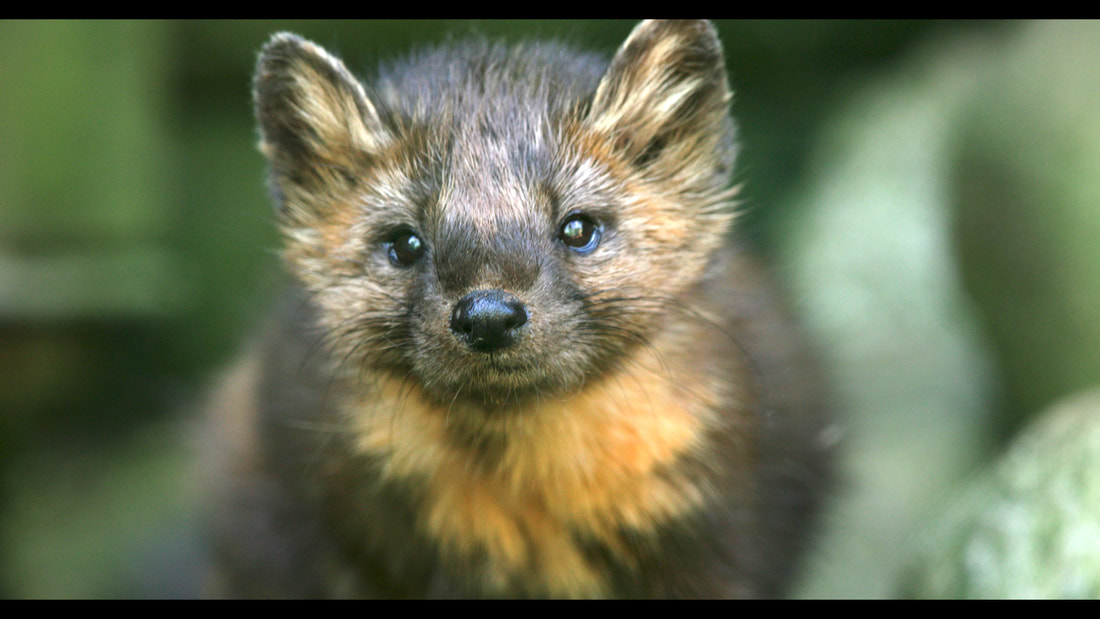
July 9: Martens & other MammalsPennsylvania Game Commission furbearer biologist Tom Keller will discuss the American marten as part of the agency's look into potential re-introduction plans for the state in the coming months as a vote looms. The program will also include a look at other mammals, specifically those related to our aquatic ecosystem and what trends they are experiencing and theories behind those trends, general ID and other info. Session runs 10-11 a.m.
|
|
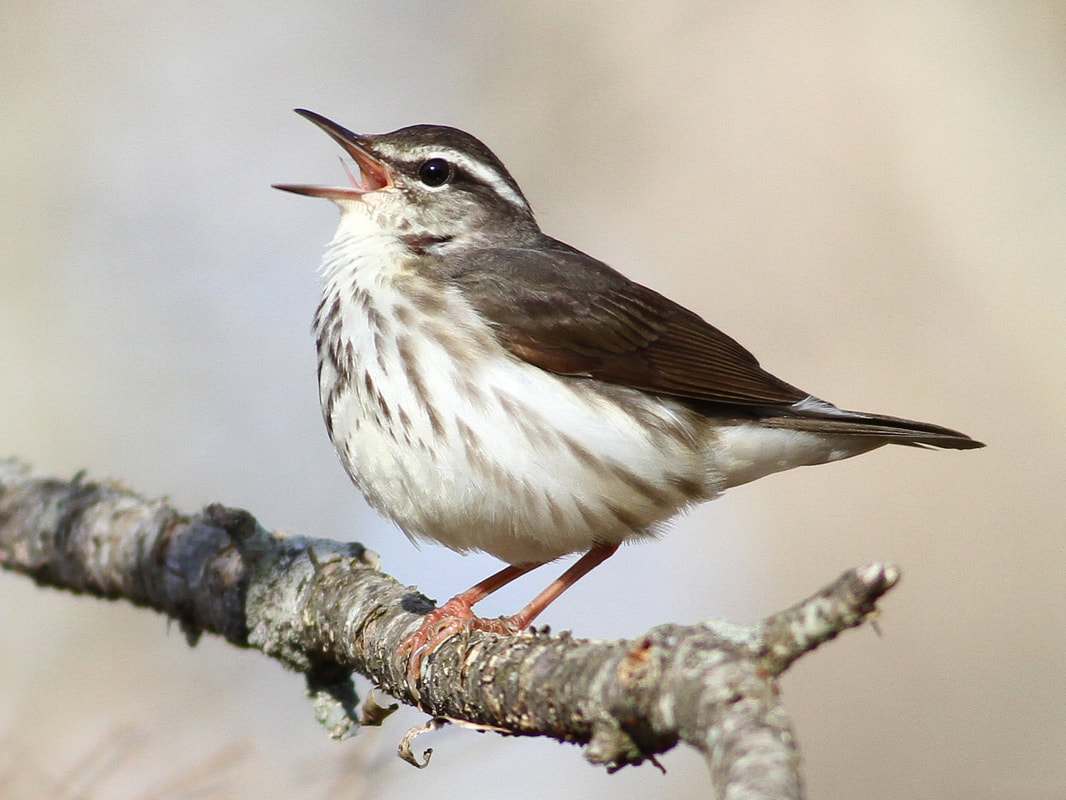
July 16: Waterthrush and birdingWest Branch Regional Director Andrew Bechdel will present on the importance of the Louisiana Waterthrush as an indicator species for our waterways, how to identify and find them in our watershed and participate in citizen science monitoring programs. We will also offer a general birding overview on this cruise. Session runs 10-11 a.m.
|
|
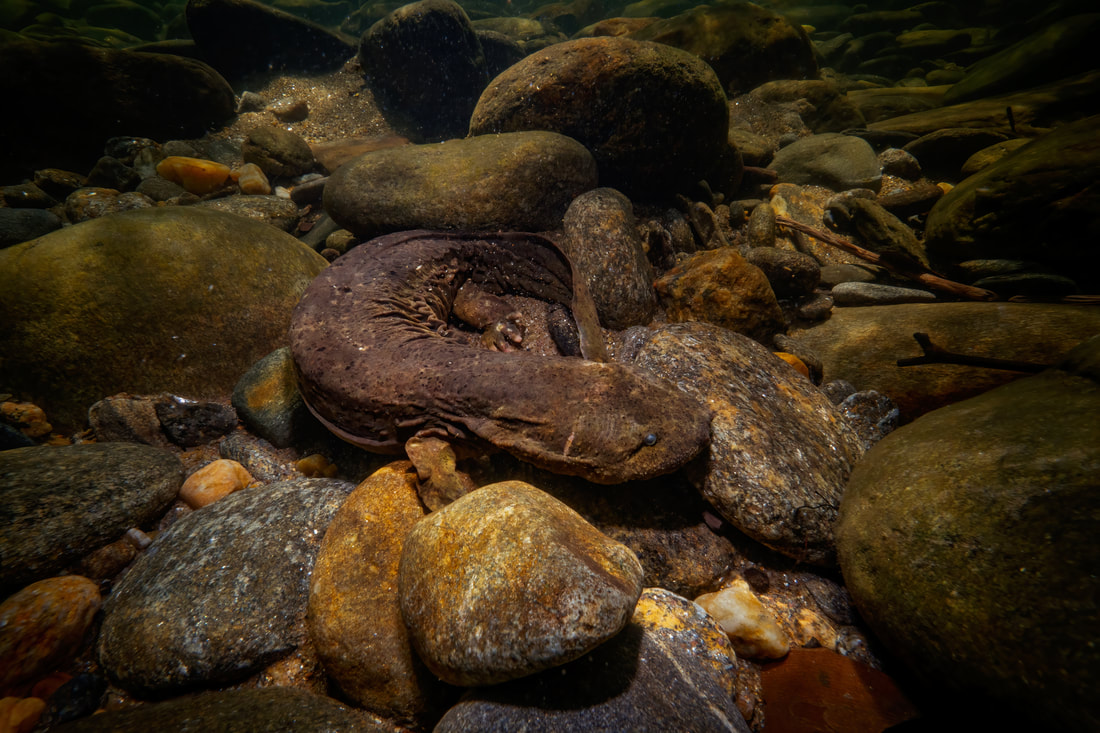
August 6: Hellbenders and awarenessLycoming College Clean Water Institute director Matt Kaunert and his students will offer an overview on the Eastern hellbender and show some of Kaunert's research on recently discovered phenomenon regarding hellbenders and their nests in our greater watershed. Program will include opportunities for participants to help create posters and other awareness opportunities for this species of special interest. Session runs 10-11 a.m.
|
|
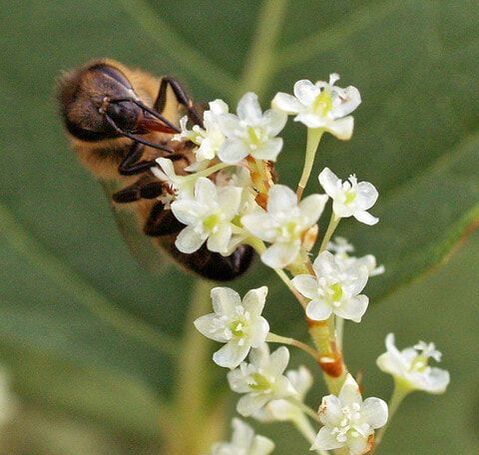
August 13: Invasive plants and beesLearn about the effects of invasive plants and how to manage several common species of the watershed from Northern Tier Regional Director Emily Shosh. We will also discuss how to forage and wild craft uses of invasive plants. Meanwhile, Lily Brown will offer a presentation on beekeeping and pollinator awareness. Session runs 10-11 a.m.
|

|
September 10: Casting, fish ID & logperchPA Fish and Boat Commission educator Amidea Daniel will bring her casting mat for an activity that will include general fish ID on the upper level while on the lower level, we will discuss the plight of the Chesapeake Logperch, a species that is struggling to survive in the lower Susquehanna River basin due to a variety of factors. Session runs from 10-11 a.m.
|

|
September 24: Turtles of the watershedWe will do an overview session of different turtle species found in our aquatic ecosystem on one level of the boat while PA Fish and Boat Commission Herpetologist Kathy Gipe offers a special presentation on the other level on Wood Turtles and their status in our river basin. Session runs from 10-11 a.m.
|
|
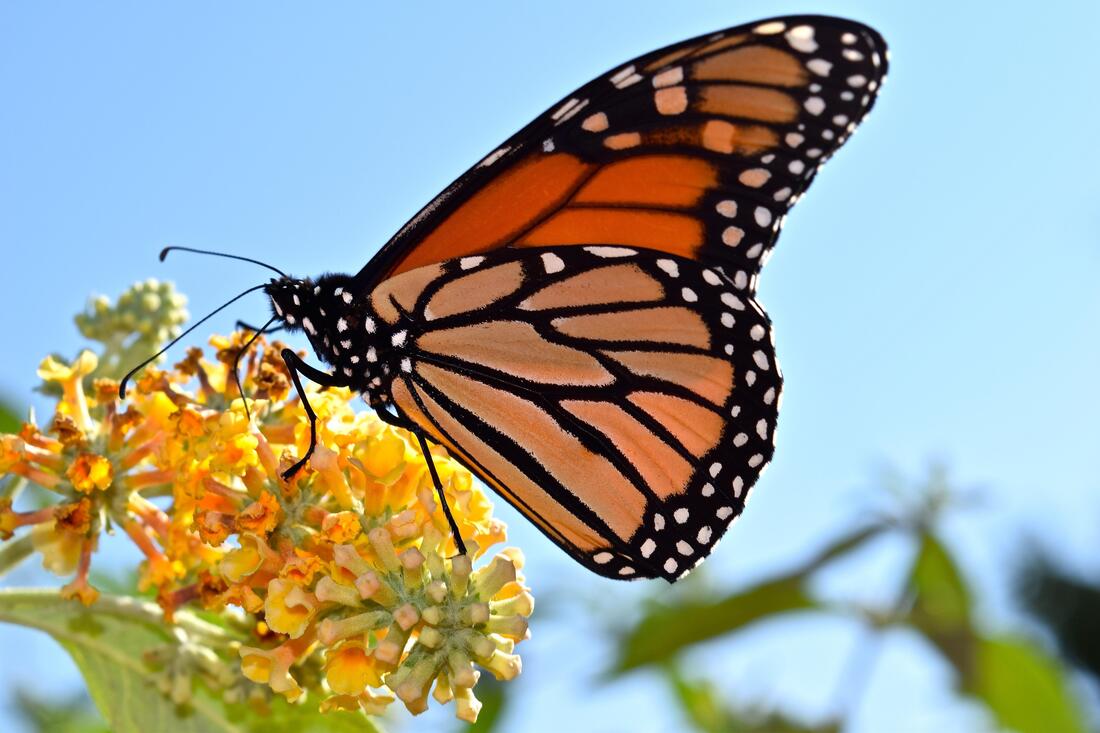
October 8: Butterfly tagging and seed bombsJoin us for a discussion on monarch butterfly conservation and take part in citizen science by assisting with a butterfly tagging demonstration with Northern Tier Regional Director Emily Shosh. The other level of this Floating Classroom will look at seeds, a discussion about streambank stabilization efforts and include a seed bomb project that participants can take home with them. Session runs 10-11 a.m.
|
Looking back to previous Floating Classrooms
A variety of Floating Classroom programs have been held over the past couple summers. Looking back at some of the more recent ones:
July 16: Louisiana Waterthrush and birding
July 9: Martens and other mammals
June 11, 2024: Snails on the Susquehanna
May 21, 2024: Commonwealth Cyber Academy studies salamanders and macroinvertebrates
June 13, 2023: Rocks and Geology of the River
July 11, 2023: Insects of the Watershed
July 18, 2023: PFAS and Plants
August 5, 2023: Artifacts & Logging History
August 22, 2023: Bird Calls & Birdnet
September 5, 2023: Secret Life Inside Our Fish
September 12, 2023: Eels and Hellbenders
September 19, 2023: Trout and Drought
October 3, 2023: Raptors on the River
June 28, 2022: Aquatic mammals
July 12, 2022: Mining heritage & AMD concerns
July 19, 2022: Microplastics and fish anatomy
August 2, 2022: Bats of the watershed
August 16, 2022: Invasive invaders
August 19, 2022: Bird species and watching
September 10, 2022: Photography and videography
September 13, 2022: Flooding and Agnes' anniversary
September 27, 2022: Freshwater mussels
July 16: Louisiana Waterthrush and birding
July 9: Martens and other mammals
June 11, 2024: Snails on the Susquehanna
May 21, 2024: Commonwealth Cyber Academy studies salamanders and macroinvertebrates
June 13, 2023: Rocks and Geology of the River
July 11, 2023: Insects of the Watershed
July 18, 2023: PFAS and Plants
August 5, 2023: Artifacts & Logging History
August 22, 2023: Bird Calls & Birdnet
September 5, 2023: Secret Life Inside Our Fish
September 12, 2023: Eels and Hellbenders
September 19, 2023: Trout and Drought
October 3, 2023: Raptors on the River
June 28, 2022: Aquatic mammals
July 12, 2022: Mining heritage & AMD concerns
July 19, 2022: Microplastics and fish anatomy
August 2, 2022: Bats of the watershed
August 16, 2022: Invasive invaders
August 19, 2022: Bird species and watching
September 10, 2022: Photography and videography
September 13, 2022: Flooding and Agnes' anniversary
September 27, 2022: Freshwater mussels